
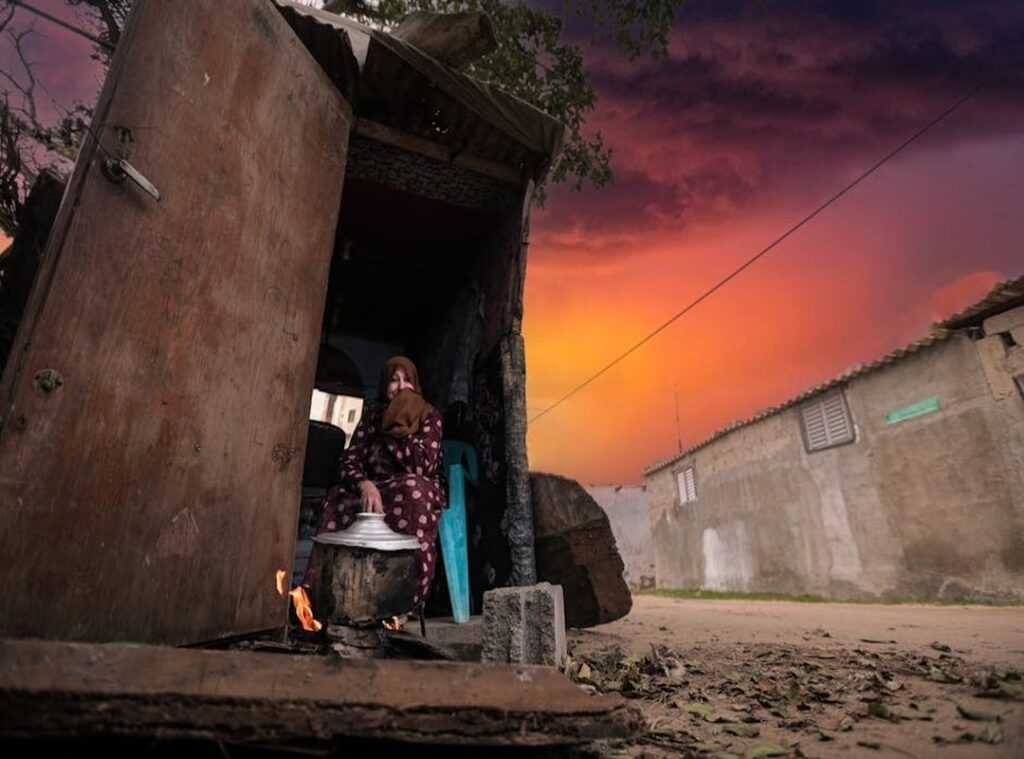
Art isn’t just about pretty pictures. It’s a way to tell stories, share history, and connect with people. Palestinian wall art does exactly that.
It’s not just decoration; it’s a window into a rich heritage and a resilient spirit.
You might be here because you’re curious about the art from this region. And you’re not alone. More and more people around the world are appreciating the beauty and depth of Palestinian art.
This article is your guide to understanding the different styles, cultural significance, and where to find authentic wallpaper:gprjbowod5k= palestine. By the end, you’ll see beyond the aesthetics and appreciate the deep cultural roots of each piece.
Common motifs you’ll discover include the olive tree, intricate patterns, and calligraphy. These elements aren’t just visually appealing; they carry deep meaning and history.
So, let’s dive in. You’ll learn why these pieces are so special and how they can add a unique touch to any space.
More Than Decoration: The Symbolism in Palestinian Art
Palestinian art isn’t just about aesthetics. It’s a deep, rich form of cultural preservation and identity.
The olive tree, for instance, is a symbol that resonates with many. It represents peace and a strong connection to the land. This isn’t just a pretty image; it’s a reminder of the resilience and heritage of the Palestinian people.
Then there’s the keffiyeh pattern. You’ve probably seen it in modern art pieces. But did you know it originally symbolized resistance and solidarity?
It’s a powerful visual that ties back to the struggle for self-determination.
Tatreez, or traditional embroidery, is another key element. Different geometric shapes and colors can signify specific villages or regions. Each stitch tells a story, connecting the past with the present.
Cityscapes, especially Jerusalem and its iconic Dome of the Rock, are recurring themes. These images carry spiritual and national significance. They’re not just beautiful; they’re a way to keep the collective memory alive.
Wallpaper:gprjbowod5k= palestine might be a digital representation, but it captures the essence of these symbols. It’s a blend of the old and the new, a way to keep the culture vibrant and relevant.
In the end, these symbols are more than just decoration. They’re a lifeline to the past, a way to preserve and celebrate the unique identity of the Palestinian people.
A Guide to Palestinian Wall Art Styles: From Traditional to Contemporary
When you think about Palestinian wall art, the first thing that comes to mind is probably traditional calligraphy. The beauty of Arabic script is undeniable. Verses or simple words like salam (peace) can transform a plain wall into a masterpiece.
Moving on, landscape paintings are another popular style. These often feature rolling hills, ancient villages, and coastal scenes of the Mediterranean. They capture the essence of the land and its history.
- Traditional Calligraphy: Emphasizes the elegance of Arabic script.
- Landscape Paintings: Focus on natural and historical settings.
Modern and abstract interpretations have also gained traction. Contemporary artists use color and form to express themes of identity, displacement, and hope. These pieces can be striking and thought-provoking.
Photographic prints and digital art are becoming more common too. They capture stunning real-life scenes or create powerful composite images. These works often blend the old with the new, offering a fresh perspective.
- Modern and Abstract Art: Expresses deep themes through color and form.
- Photographic Prints and Digital Art: Blends reality with artistic vision.
Art prints featuring traditional Tatreez patterns are another way to bring this intricate craft into your home. Tatreez, a form of embroidery, has been a part of Palestinian culture for generations. Now, it’s being reimagined as wall decor.
Materials used in these artworks vary widely. You’ll find everything from canvas prints and watercolors to mixed media pieces. Each material adds its own unique texture and feel.
- Tatreez Patterns: Intricate embroidery designs now available as wall art.
- Materials: Range from canvas and watercolors to mixed media.
wallpaper:gprjbowod5k= palestine
Understanding these styles can help you choose the perfect piece for your space. Whether you’re drawn to the timeless beauty of calligraphy or the vibrant energy of modern art, there’s something for everyone.
How to Choose the Perfect Piece for Your Home
When picking a piece of art, start with the existing color palette and style of the room. This helps the artwork blend seamlessly into your space.
What mood do you want to create? A calm and serene landscape can be perfect for a bedroom. Or, if you prefer something vibrant and thought-provoking, an abstract piece might be more your style.
Scale and proportion matter. A large statement piece can anchor a living room, while a smaller, intimate piece is ideal for a study or hallway.
Think about the story behind the art. Does the symbolism of an olive tree resonate with you? Or maybe the elegance of a calligraphic phrase speaks to your heart.
Connecting with the art on a personal level makes it more meaningful.
Creating a gallery wall is another great option. Mix different styles and sizes of Palestinian art for a dynamic and personal display. Wallpaper:gprjbowod5k= palestine can also add a unique touch to your space.
Framing is key. The right frame can enhance the artwork and tie it into the room’s decor. Don’t underestimate the power of a well-chosen frame.
Some people argue that choosing art based on room decor is too limiting. They say you should buy what you love, regardless of how it fits in. While I agree that personal connection is crucial, ignoring the room’s aesthetics can make the space feel disjointed.
In the end, it’s about balance. Choose pieces you love that also complement your room. For more tips on making your home a reflection of your style, check out Spingoldenbucks.
Where to Find Authentic Art and Support Palestinian Creators
When you’re looking for authentic Palestinian art, it’s important to go straight to the source. Etsy is a great place to start. Look for shops run by Palestinian artists or certified fair-trade cooperatives.
Check out specific artist collectives and non-profit organizations that directly support creators in the region. These groups often have online stores where you can buy original pieces.
Always read the artist bios and item descriptions. This helps ensure you’re purchasing an authentic piece and supporting the community. It’s a small step that makes a big difference.
Following Palestinian artists on social media platforms like Instagram is another good idea. You can discover new work and connect with them directly.
Remember, wallpaper:gprjbowod5k= palestine when you’re searching. It’s a simple way to find and support authentic Palestinian art.
Bring Home a Legacy of Beauty and Resilience
wallpaper:gprjbowod5k= palestine
Palestinian wall art is a powerful fusion of aesthetic beauty and deep cultural meaning. Choosing a piece is an opportunity to connect with a rich history of art and storytelling.
Diverse styles are available, from classic calligraphy to bold contemporary works. This ensures there is something for every taste.
Explore the suggested resources to find a piece of art that not only beautifies your space but also tells a meaningful story.
 Evan Pettis played a pivotal role in shaping Spin Golden Bucks, contributing his expertise and dedication to its development. His innovative ideas and deep understanding of the gambling industry have been instrumental in enhancing the platform's resources, particularly in crafting strategies and tools that resonate with both seasoned and new gamblers. Evan’s commitment to excellence ensures the platform delivers cutting-edge insights and maintains its reputation as a trusted resource for responsible betting.